Raised Bed Soil Calculator
Recommended Materials:
Gardening Tips:
Introduction
If you’ve ever built or thought about building a raised garden bed, you’ve probably wondered how much soil you’ll need. That’s where a Raised Bed Soil Calculator comes in handy. It’s a simple tool that helps you figure out exactly how much soil your raised bed needs based on its size. Whether you’re a gardening newbie or a seasoned pro, using a soil calculator can save you time, money, and frustration.
But why does getting the soil mix just right even matter? Well, the soil directly affects how your plants grow. A bad mix can lead to poor drainage, nutrient imbalances, or even plants that don’t thrive. Getting it right, however, means healthier plants, better yields, and a more sustainable garden overall.
Still, it’s easy to make mistakes when estimating soil. It’s tempting to eyeball it, but not measuring correctly can result in too little soil or, worse, too much. This often leads to compaction and poor plant growth. So, understanding how to calculate soil for your raised garden is essential. And that’s where this calculator becomes your best friend.
Understanding Raised Bed Soil Basics

When it comes to raised bed gardening, not just any soil will do. The right soil mix is key to creating a healthy, thriving garden. So, what makes a great raised bed soil mix?
A good raised bed soil should have the perfect balance of topsoil, compost, and aerators. Topsoil provides the foundation, compost adds nutrients, and aerators like perlite, vermiculite, or sand help with drainage and root growth. Without proper aeration, water can get trapped, causing roots to suffocate. The mix should also allow for good water retention while draining excess moisture, creating a cozy home for plant roots.
Let’s dive into some popular soil mix ratios trusted by gardeners. One popular choice is Mel’s Mix, a well-balanced formula made of equal parts compost, peat moss, and vermiculite (1:1:1), which supports healthy growth, which fosters healthy growth. Another common mix includes 60% topsoil, 30% compost, and 10% aerators. Both mixes have their pros and cons. For example, Mel’s Mix is great for drainage but can be a bit expensive because of the peat moss. On the other hand, the 60/30/10 mix is more budget-friendly and easy to source, but might need additional amendments for certain plants.
| Mix Ratio | Pros | Cons |
| 1:1:1 (Mel’s Mix) | Lightweight, well-draining | Expensive, requires peat moss |
| 60/30/10 (Topsoil-based) | Budget-friendly, readily available | Needs more amendments over time |
Choosing the right soil mix for your raised bed isn’t a one-size-fits-all solution. It depends on your garden’s needs and your local climate, but with the right guidance, you can easily create the perfect soil recipe for your plants.
How the Raised Bed Soil Calculator Works
Using a Raised Bed Soil Calculator is like having a personal assistant for your garden. It takes the guesswork out of soil measurements and helps you get it just right. Here’s how it works:

Step-by-Step Guide to Using the Calculator
The first step is easy: input the dimensions of your raised bed. You’ll need the length, width, and depth. Once these are plugged in, the calculator does all the heavy lifting for you. It’ll calculate the total soil volume needed in cubic feet or cubic yards—depending on which unit you prefer.
What if your bed isn’t a simple rectangle? No problem. You can adjust for irregular shapes or tiered beds by entering more specific measurements, or the calculator might offer an option to manually adjust. Some soil calculators even let you specify the height of different layers if you’re mixing multiple soil types.
Here’s a visual diagram to break it down:
- Enter dimensions (Length x Width x Depth)
- Adjust for shape (Irregular, tiered, or sloped beds)
- Get your results (Soil needed in cubic feet or yards)
Understanding the Result
After inputting your measurements, you’ll see the result displayed in cubic feet or yards. This tells you how much soil you’ll need to fill the bed. But here’s a little secret: soil tends to settle and compact over time, especially after watering. So, it’s a good idea to add a little extra—around 10% more soil—to compensate for this. It’s possible the calculator will offer a suggestion for this!
In short, the Raised Bed Soil Calculator ensures you calculate the right amount of soil, saving you from purchasing too much or too little. All you need to do is follow the steps, and you’re ready to start filling your bed with the perfect soil mix!
Advanced Soil Mix Customization (Expert Section)

As you get more experienced with raised bed gardening, you’ll want to tailor your soil mix to the specific needs of your plants. Different crops—whether vegetables, herbs, or flowers—require slightly different soil conditions. Let’s dive into how to customize your mix for maximum growth.
Tailoring Soil Mix for Specific Crops
For vegetables like tomatoes, cucumbers, and peppers, you need a well-draining mix that holds moisture but also prevents waterlogging.A 50/30/20 ratio of topsoil, compost, and perlite or vermiculite could be a good choice. This ensures your plants have access to nutrients while still allowing the roots to breathe.
On the other hand, herbs tend to favor a drier mix that offers better drainage. A 70/20/10 mix of topsoil, compost, and sand or perlite works great. For flowers, especially those that need good root development like roses, a mix of 60% topsoil, 20% compost, and 20% sand can help balance moisture retention and drainage.
Soil Amendments for pH, Nutrients, and Drainage
If your garden’s soil needs some extra help, soil amendments can boost performance. Adding lime can raise the pH for more alkaline-loving plants, while sulfur can lower the pH for acid-loving crops like blueberries. Organic compost helps restore nutrients, and ingredients like gypsum can improve soil structure and reduce compaction.
Organic vs. Conventional Soil Mixes
You’ll also need to decide whether to go organic or conventional with your soil mix. Organic mixes use materials like compost and well-rotted manure, which are great for long-term soil health but can be more expensive. Conventional mixes may include synthetic fertilizers for quick fixes, but aren’t as eco-friendly in the long run. Organic gardening promotes a healthier, more sustainable environment, so if you’re aiming for a garden that’s both productive and environmentally conscious, the organic route might be best.
Troubleshooting Common Soil Problems
Every garden faces challenges, but most soil issues can be resolved with a little knowledge. Poor drainage can be fixed by adding perlite or sand, while compacted soil can be loosened with organic matter or by aerating. Nutrient deficiencies? Compost or balanced fertilizers can help. The trick is to assess your soil’s current state and make the necessary adjustments.
With these advanced tips, your raised bed will be fine-tuned to meet the needs of whatever you’re growing, giving you a garden that thrives all year long!
Practical Examples & Case Studies

Understanding how to calculate soil and customize your mix is one thing, but seeing it in action makes it even clearer. Let’s go through some real-life examples to help you visualize how to apply these concepts to your raised bed.
Sample Calculations for Common Bed Sizes
Suppose you have a 4×8 ft raised bed and need to determine how much soil to buy. Using the Raised Bed Soil Calculator, you simply input the dimensions—length 8 feet, width 4 feet, depth 12 inches. The calculator tells you you’ll need about 32 cubic feet of soil.
If you’re working with a smaller bed, like a 3×6 ft raised bed, the calculator might estimate around 18 cubic feet of soil. These numbers are perfect for quickly estimating soil needs without guessing. And don’t forget: it’s always a good idea to add a little extra (around 10%) for settling, as soil compacts over time.
Here’s a visual chart for quick reference:
| Bed Size | Soil Needed (Cubic Feet) | Soil Needed (Cubic Yards) |
| 4×8 ft | 32 cubic feet | 1.18 cubic yards |
| 3×6 ft | 18 cubic feet | 0.67 cubic yards |
| 2×4 ft | 8 cubic feet | 0.30 cubic yards |
Real-World Raised Bed Success Stories
Let’s look at a few gardeners who got it right:
- Anna’s Veggie Garden – Anna started with a 4×8 ft bed, and after using the raised bed soil calculator, she chose a mix of 60% topsoil, 30% compost, and 10% perlite. The result? Her tomatoes, peppers, and herbs flourished with rich, healthy growth all season long. She now recommends always using the calculator for the perfect balance.
- Mark’s Flower Bed – Mark grew roses in a 3×6 ft bed, choosing a more sand-heavy mix for improved drainage. After consulting the calculator, he added an extra layer of compost. His roses have never looked better, and he’s learned that the right soil can make a world of difference in flowering success.
These gardeners show that the right soil mix, with proper calculation, really does make all the difference. By tailoring your soil to meet the specific needs of your plants, you’re creating the foundation for a thriving garden. It’s not just about filling the bed with dirt; it’s about creating the perfect environment for your plants to grow strong and healthy.
Visual Guides & Resources
Sometimes, words alone can’t fully capture the process. That’s why visual aids can be super helpful when calculating soil for your raised bed. Here are a few resources to help you get a clearer picture of how to fill your raised bed with the perfect soil mix.
Infographic: Soil Layering for Raised Beds
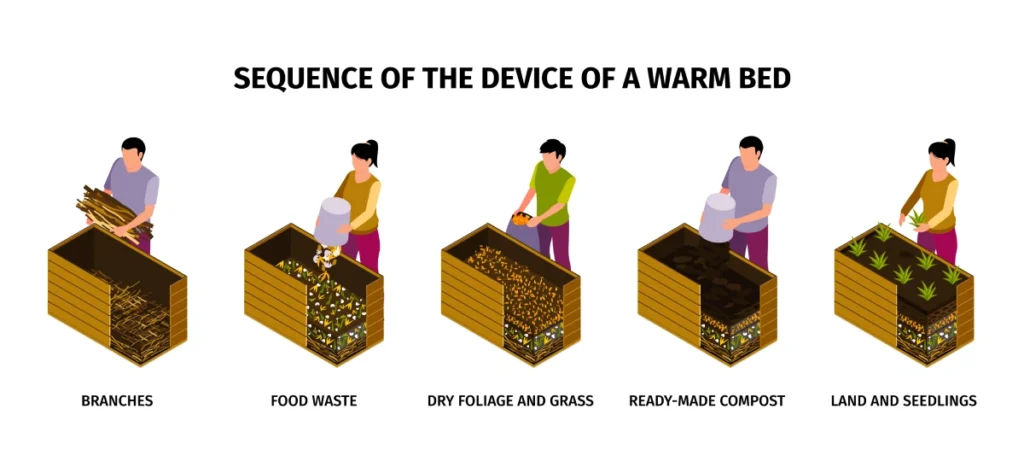
An easy-to-understand infographic showing how to layer your soil in a raised bed can help make sense of the entire process. Picture this: you’ve got your topsoil, compost, and aerators ready. But how do you layer them to get the best results? The infographic will break it down, showing the ideal depths for each layer. This simple visual guide will make it easier to build your perfect soil mix from the bottom up.
Video Walkthrough: Using the Calculator
If you’re more of a visual learner, a video walkthrough of the Raised Bed Soil Calculator can guide you through each step. From inputting dimensions to interpreting your results, you’ll see exactly how to use the calculator with ease. Plus, it’s always helpful to see someone else do it first before you dive in on your own.
These resources are designed to make the process easier and give you confidence when calculating the soil you need. Whether you’re a first-time gardener or a pro, these visuals will help you make sure your raised bed gets the perfect soil mix.
Related Topics & Further Reading
Now that you’re equipped with the knowledge to calculate your raised bed soil needs, why not dive a little deeper? There’s always more to learn when it comes to gardening, and these topics can help you refine your skills and improve your garden.
How to Build a Raised Bed
Building your own raised bed? It’s easier than it sounds! Check out our step-by-step guide to constructing a sturdy, reliable raised bed that will last for years. From materials to assembly, we’ll walk you through the entire process.
Composting for Raised Beds
Composting is a key component of healthy soil, especially for raised beds. If you’re interested in making your own nutrient-rich compost to use in your garden, our guide will show you how to get started. We’ll also go over the best composting methods and tips for maintaining it all year round.
Best Mulches for Raised Beds
Mulching is one of the best things you can do to keep your raised bed healthy. Learn about the best mulches for raised beds—how they work, why they’re important, and how to apply them for optimal results. Mulch helps with moisture retention, weed control, and temperature regulation.
Seasonal Raised Bed Maintenance Checklist
Gardening is a year-round endeavor, and maintaining your raised bed throughout the seasons is essential. Our checklist will help you stay on track with tasks like cleaning, fertilizing, and replanting—ensuring your raised bed is always in top shape.
These related resources will give you even more insight into raised bed gardening and help you tackle other essential aspects of maintaining a healthy garden. Whether you’re just starting out or have been gardening for years, there’s always something new to learn and explore!
Conclusion & Next Steps
Now that you know how to calculate the perfect amount of soil for your raised bed, it’s time to take action. Getting the right soil mix is crucial for plant health, yield, and long-term sustainability. Whether you’re growing vegetables, herbs, or flowers, having the correct soil composition can make all the difference. So, don’t skip the math—use the Raised Bed Soil Calculator to ensure your plants get the best start possible.
If you tried the calculator, now try this time. It’s quick, easy, and helps remove the guesswork. You’ll be amazed at how much more confident you’ll feel once you know the precise amount of soil needed.
Have questions? Feel free to leave a comment or share your experiences. Gardening is always more fun when we can learn from each other!
Frequently Asked Questions (FAQs)
How much soil I need for my raised bed?
The amount of soil depends on your bed’s size. With a raised bed soil calculator, you can easily enter the dimensions (length, width, and depth), and the calculator will provide the exact volume of soil required in cubic feet or cubic yards. This ensures you buy the right amount of soil, without wasting or falling short.
Can I reuse old soil?
You can reuse old soil, but it’s important to amend it. Over time, soil can lose nutrients, so adding fresh compost, organic matter, or soil amendments is a good idea. If the soil is compacted, consider mixing it with new soil to restore its structure.
What if my bed is an odd shape?
No problem! Many soil calculators allow you to adjust for irregular shapes. Just input the measurements of each section, or use an area calculator to break down the bed into smaller, manageable parts. It’s easy to get accurate results even for unusual shapes.
How do I improve poor soil?
If your soil is too dense, add aerators like perlite or sand. For poor drainage, mix in organic matter like compost or coconut coir. Testing the soil’s pH can also help—some plants prefer more acidic or alkaline soil, and adjusting accordingly can solve many problems.
How often should I replace or amend my soil?
Soil in raised beds generally needs to be amended every 1–2 years. Over time, nutrients are depleted, and the soil can become compacted. Regularly adding compost and other organic matter helps replenish the soil, keeping your plants healthy.
What’s the best soil mix for tomatoes/lettuce/flowers?
For tomatoes, use a mix with good drainage but plenty of nutrients. A 60/30/10 mix of topsoil, compost, and perlite works well. Lettuce prefers a lighter, more aerated mix, like 70/20/10 (topsoil, compost, and sand). Flowers vary, but most benefit from a 60% topsoil, 20% compost, and 20% sand mix to support both root growth and flowering.
Check More Calculator
